
- Written by
- Indigo Medical Clinic team
- Published
- 20 October 2026

Living with diabetes means making many small decisions every day. Medicines matter, but the everyday choices you make about food, movement, sleep and other habits have a powerful effect on blood glucose, blood pressure, cholesterol and your long-term risk of complications. For many people with type 2 diabetes, lifestyle changes can also reduce the need for medication and, in some cases, lead to remission.
This guide explains the changes that make the biggest difference and how to make them last. It applies mainly to type 2 diabetes, but much of it also helps people with type 1 diabetes. Always talk to your diabetes team before making major changes, particularly if you take insulin or tablets that can cause low blood glucose (hypoglycaemia).
Key points
- Small, sustainable changes work better than drastic short-term diets.
- Aim for at least 150 minutes of moderate activity a week, plus strength exercises on 2 days.
- Losing 5–10% of your body weight can noticeably improve glucose control; larger weight loss can lead to remission of type 2 diabetes for some people.
- Know your numbers: HbA1c, blood pressure and cholesterol, and attend yearly eye, foot and kidney checks.
- Stopping smoking and keeping alcohol within recommended limits reduce your risk of heart disease and other complications.
1. Eat well, without a “special diet”
There is no single diet for diabetes. Several eating patterns can help, including Mediterranean-style eating, lower-carbohydrate approaches and calorie-reduced plans. The best plan is one that suits your health, culture, budget and tastes, and that you can keep to.

Practical steps
- Use the plate method: fill half your plate with vegetables or salad, a quarter with protein (fish, eggs, chicken, beans, lentils or tofu) and a quarter with wholegrain or high-fibre carbohydrates.
- Choose carbohydrates carefully: wholegrains, oats, pulses, vegetables and whole fruit raise blood glucose more gently than white bread, white rice, pastries and sweets.
- Swap sugary drinks: fizzy drinks, energy drinks and fruit juice raise glucose quickly. Water, sparkling water, and tea or coffee without sugar are better choices.
- Watch portion sizes: using a smaller plate and serving food in the kitchen rather than at the table can help.
- Include healthy fats: olive oil, nuts, seeds and oily fish such as salmon or mackerel support heart health.
- Limit processed and very salty foods: this helps both blood pressure and weight.
If you take insulin or a sulfonylurea (such as gliclazide) and reduce your carbohydrate intake, your medicine dose may need adjusting to avoid hypos. Speak to your clinician first. A dietitian can help you build a personalised eating plan.
2. Move more, sit less
Physical activity helps your muscles use glucose, improves insulin sensitivity, supports weight management and lowers blood pressure. The benefits begin with your first session and build over time.
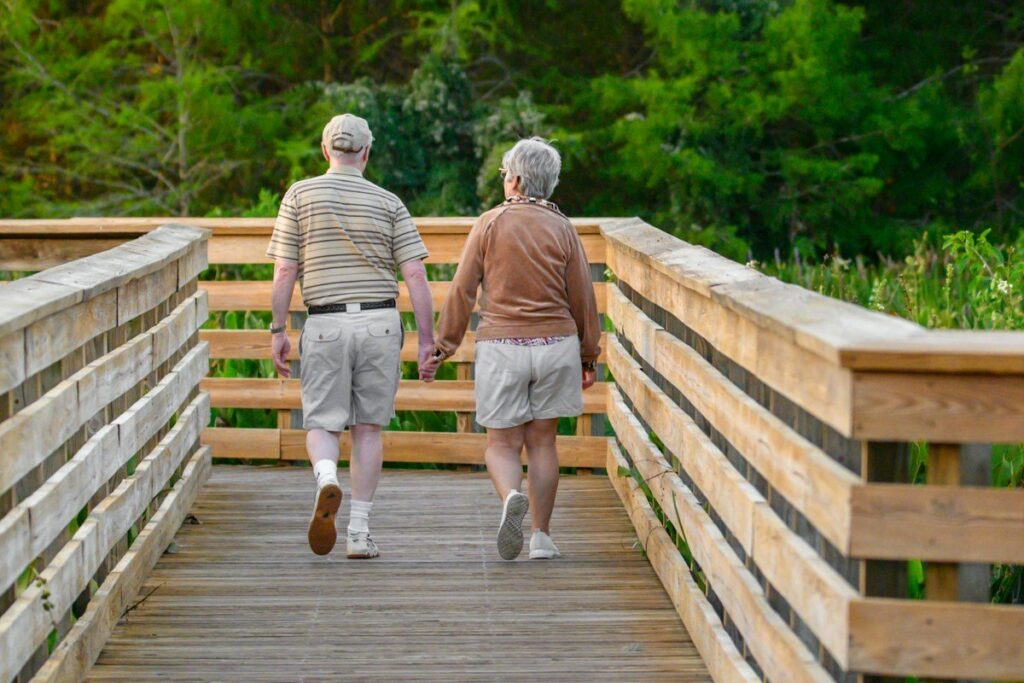
- Aim for 150 minutes a week of moderate activity, such as brisk walking, cycling or swimming, spread across at least 3 days. Moderate means you can talk, but not sing.
- Add strength exercises on 2 or more days a week: resistance bands, body-weight exercises or gardening all count.
- Break up long periods of sitting: stand up and move for a few minutes every 30 minutes. A short walk after meals can help reduce post-meal glucose rises.
- Start where you are: if you are currently inactive, even 10 minutes a day is a good start. Build up gradually.
Wear well-fitting, supportive footwear and check your feet regularly, especially if you have reduced sensation. If you use insulin, check your glucose before and after exercise and carry fast-acting glucose with you.
3. Work towards a healthy weight
For people living with overweight or obesity, weight loss is one of the most effective ways to improve type 2 diabetes. Losing around 5–10% of your body weight can improve HbA1c, blood pressure and cholesterol. In the UK DiRECT trial, many people who lost around 15 kg through a structured, medically supported low-calorie programme went into remission, meaning their blood glucose returned to below the diabetes range without diabetes medicines.
Very low-calorie diets must be supervised, because medicines for glucose and blood pressure often need to be reduced quickly. The NHS Type 2 Diabetes Path to Remission Programme offers this support to eligible people, and your GP or clinician can advise whether it is suitable for you. For some people, weight-loss medicines or surgery may also be appropriate and can be discussed with a specialist.
4. Know your numbers
Regular monitoring shows you what is working and helps you and your clinician make decisions together.
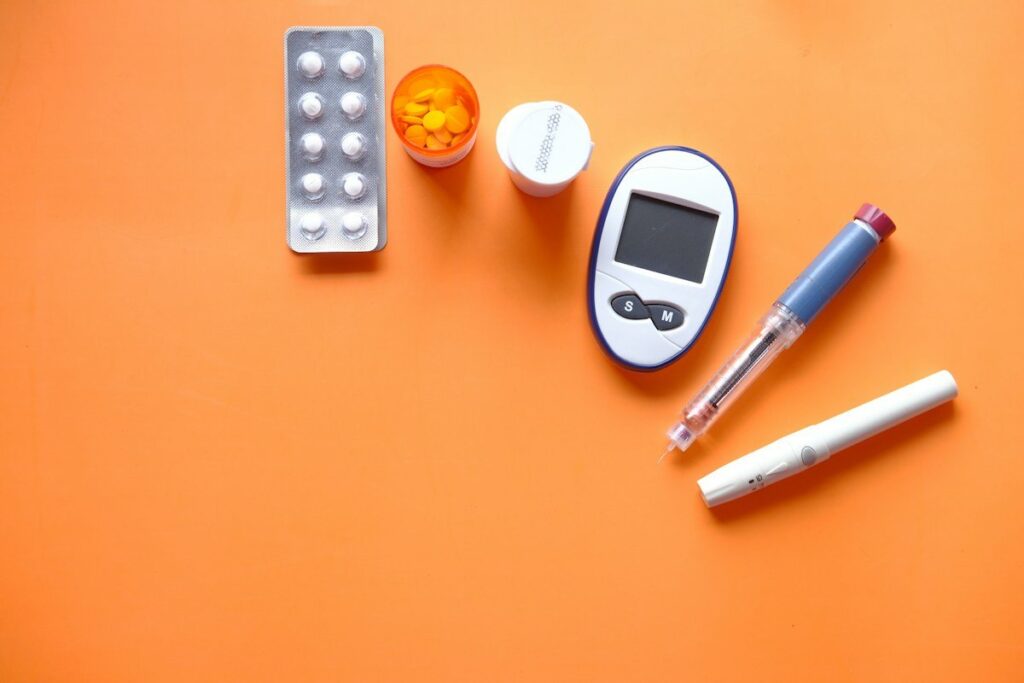
- HbA1c reflects your average blood glucose over about 3 months. Many people aim for around 48 mmol/mol (6.5%), but your target should be agreed with you and may be different.
- Blood pressure and cholesterol are just as important for protecting your heart, kidneys and eyes.
- Annual checks: make sure you have yearly diabetic eye screening, a foot check, kidney tests (blood and urine) and a review of your weight, medicines and smoking status.
- Home glucose monitoring is recommended for some people, including those using insulin. Ask whether it would help you.
5. Sleep well and manage stress
Short or poor-quality sleep and long-term stress can raise blood glucose and make healthy choices harder. Aim for 7 to 9 hours of sleep a night, keep a regular routine and limit screens before bed. Loud snoring with daytime sleepiness can be a sign of sleep apnoea, which is more common in people with type 2 diabetes and is worth discussing with a doctor. Activity, time outdoors, social contact and talking therapies can all help with stress and low mood.
6. Stop smoking and keep alcohol low
Smoking greatly increases the risk of heart attack, stroke, kidney disease and circulation problems in people with diabetes. Free NHS stop-smoking support makes you much more likely to quit successfully. If you drink alcohol, keep within the UK guideline of no more than 14 units a week, spread over 3 or more days. Alcohol can cause delayed hypoglycaemia if you take insulin or a sulfonylurea, so never drink on an empty stomach.
7. Make it a team effort
You do not have to make these changes alone. Structured diabetes education courses, such as DESMOND for type 2 diabetes and DAFNE for type 1 diabetes, are available through the NHS and are linked to better outcomes. Involving family or friends, setting small weekly goals and tracking your progress all help new habits stick.
When to seek medical advice
- Contact your GP or diabetes team if your glucose readings are often higher than your target, if you have frequent hypos, or if you notice increased thirst, passing more urine, tiredness or unexplained weight loss.
- Seek urgent help from NHS 111 if you feel very unwell, are vomiting and cannot keep fluids down, or have very high glucose or ketone readings.
- Call 999 for chest pain, signs of stroke, severe hypoglycaemia with confusion or unconsciousness, or difficulty breathing.
How Indigo Medical Clinic can help
Our team can support you with a personalised plan. Our diabetes and endocrinology consultants review your glucose control, medicines and overall metabolic health. Dietetics and nutrition appointments help you build an eating plan that fits your life, and podiatry provides regular foot checks and care. Request an appointment online or call reception on 020 8159 1981.
References
- American Diabetes Association Professional Practice Committee. Standards of Care in Diabetes—2026. Diabetes Care. 2026;49(Suppl 1).
- National Institute for Health and Care Excellence (NICE). Type 2 diabetes in adults: management (NG28). https://www.nice.org.uk/guidance/ng28
- Lean MEJ, et al. Primary care-led weight management for remission of type 2 diabetes (DiRECT): an open-label, cluster-randomised trial. Lancet. 2018;391:541–551.
- NHS England. NHS Type 2 Diabetes Path to Remission Programme. https://www.england.nhs.uk/diabetes/treatment-care/diabetes-remission/
- UK Chief Medical Officers. Physical activity guidelines (2019) and low-risk drinking guidelines (2016). https://www.gov.uk/government/publications/physical-activity-guidelines-uk-chief-medical-officers-report
- NHS. Type 2 diabetes: living with type 2 diabetes. https://www.nhs.uk/conditions/type-2-diabetes/
- Diabetes UK. Eating well with diabetes. https://www.diabetes.org.uk/living-with-diabetes/eating
Related clinicians
Related specialities
This article provides general information. For advice about your own health or treatment, contact an appropriate healthcare professional.
Back to health articles